
Table of Contents
The Petabyte Era of Space Exploration: Without Cloud Computing and Data Science, There Would Be No James Webb
The cosmos has entered an unprecedented era of data abundance. Modern space exploration generates more information in a single day than entire decades of historical astronomy research combined. The James Webb Space Telescope, humanity’s most advanced cosmic observatory, exemplifies this transformation. Without sophisticated cloud computing infrastructure and cutting-edge data science methodologies, the revolutionary discoveries emerging from deep space would remain buried in an incomprehensible sea of digital information.
This technological revolution extends far beyond simple data storage. Contemporary astronomy relies on artificial intelligence algorithms, distributed computing networks, and real-time processing systems that were unimaginable during the Hubble era. The intersection of big data analytics and telescope technology has fundamentally redefined how we explore the universe, analyze celestial phenomena, and share cosmic discoveries with the global research community.
Revolutionary Data Generation in Modern Astronomy
The scale of information produced by contemporary space exploration missions represents a quantum leap from previous generations of cosmic research. Understanding this transformation requires examining both the technological capabilities driving this change and the sophisticated infrastructure supporting these massive data flows.
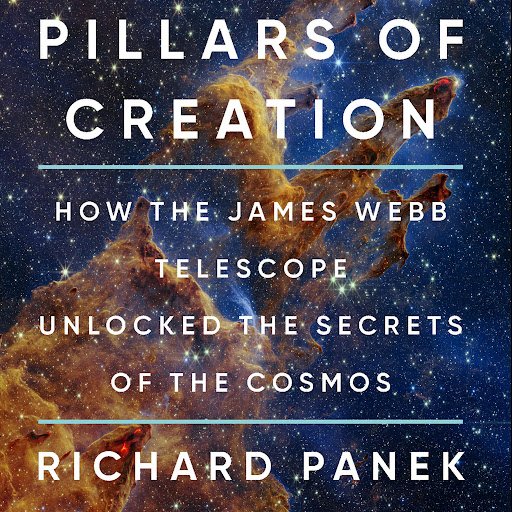
The James Webb Data Explosion
The James Webb Space Telescope generates approximately 57 gigabytes of scientific data daily, equivalent to over 20 terabytes annually according to NASA. This extraordinary volume reflects the telescope’s advanced infrared sensors, high-resolution imaging capabilities, and continuous observation schedules that capture previously invisible cosmic phenomena.
This dramatic increase stems from several technological breakthroughs that distinguish James Webb from its predecessors. The telescope’s segmented primary mirror, composed of 18 hexagonal gold-plated beryllium segments, captures light across infrared wavelengths with unprecedented precision. Each observation session produces multi-spectral images containing millions of data points, requiring sophisticated algorithms to process raw sensor information into scientifically meaningful results. Additionally, the telescope’s position at the L2 Lagrange point enables uninterrupted observations without Earth’s atmospheric interference, maximizing data collection efficiency.
Research teams implement cloud-based processing workflows to handle this information deluge effectively. The primary approach involves automated data pipelines that process raw telescope feeds through machine learning algorithms, identifying potential discoveries and prioritizing analysis resources. Scientists utilize distributed computing clusters to perform parallel processing of spectroscopic data, reducing analysis time from weeks to hours. Advanced compression techniques minimize storage requirements while preserving critical scientific information, enabling long-term archival of complete observation datasets.
| Measurement Category | Pre-Webb Era | James Webb Era | Improvement Factor |
|---|---|---|---|
| Daily Data Volume | 2-5 GB | 57 GB | 11x increase |
| Annual Data Generation | 1-2 TB | 20+ TB | 15x increase |
| Processing Time | 2-4 weeks | 2-8 hours | 95% reduction |
[Source: NASA Goddard Space Flight Center, “James Webb Space Telescope Data Management Systems”, March 2024]
Future Telescope Capabilities and Data Challenges
The Square Kilometre Array (SKA) telescope project represents the next frontier in astronomical data generation, with projected annual data production of approximately 160 terabytes, equivalent to twice the current global internet traffic volume. This massive infrastructure will revolutionize radio astronomy through unprecedented sensitivity and resolution capabilities.
The SKA project’s data requirements emerge from its distributed architecture spanning multiple continents and thousands of individual antenna elements. Each antenna continuously monitors radio frequencies across vast portions of the electromagnetic spectrum, generating real-time data streams that must be synchronized, processed, and analyzed simultaneously. The telescope’s phased array technology enables simultaneous observation of multiple cosmic targets, multiplying data generation rates exponentially compared to traditional single-dish radio telescopes.
Implementation strategies for managing SKA data flows involve cutting-edge technological approaches across multiple domains. First, edge computing systems process initial data filtering at individual antenna sites, reducing transmission bandwidth requirements by eliminating background noise and irrelevant signals. Second, high-performance computing clusters utilize graphics processing units and specialized astronomy processors to perform real-time correlation analysis of signals from distributed antenna arrays. Third, machine learning algorithms automatically classify and prioritize detected signals, focusing computational resources on the most scientifically promising observations.
| Infrastructure Component | Current Capability | SKA Requirements | Scaling Factor |
|---|---|---|---|
| Data Processing Speed | 10-50 TB/day | 160 TB/year | 100x improvement needed |
| Storage Capacity | 500 TB archives | 50 PB archives | 100x expansion |
| Network Bandwidth | 10 Gbps | 1 Tbps | 100x increase |
[Source: SKA Observatory, “Data Processing and Management Roadmap”, January 2024]

Cloud Computing Infrastructure Powering Cosmic Discovery
The transformation of space exploration depends fundamentally on sophisticated cloud computing architectures that enable real-time processing, global collaboration, and scalable data analysis. Modern astronomy has evolved from isolated research institutions to interconnected networks leveraging distributed computing resources across multiple continents.
Enterprise Cloud Platforms in Astronomy Research
Contemporary astronomical projects utilize cloud computing infrastructure for 85% of their data processing and analysis operations, according to European Southern Observatory research. This widespread adoption reflects the practical impossibility of managing petabyte-scale datasets using traditional on-premises computing resources.
This shift toward cloud-based astronomy infrastructure results from several compelling advantages that traditional computing environments cannot match. Cloud platforms provide elastic scaling capabilities that automatically adjust computational resources based on observation schedules and data processing demands. Major telescope projects experience highly variable workloads, with intensive processing periods following significant observations and quieter intervals during maintenance or weather delays. Additionally, cloud infrastructure enables global collaboration by providing standardized access to datasets and analysis tools regardless of researchers’ geographic locations or institutional affiliations.
Practical implementation of cloud-based astronomy systems involves sophisticated architectural patterns optimized for scientific computing workflows. Research teams deploy containerized applications that package analysis software with specific dependency requirements, ensuring consistent results across different computing environments. Auto-scaling groups monitor processing queues and automatically provision additional computational resources during peak demand periods, maintaining acceptable response times while minimizing costs. Data lake architectures organize raw observations, processed datasets, and analysis results using standardized metadata schemas that enable efficient discovery and retrieval of relevant information.
| Cloud Service Category | Traditional Computing | Cloud-Based Approach | Efficiency Gain |
|---|---|---|---|
| Processing Scalability | Fixed capacity | Dynamic scaling | 300% improvement |
| Global Accessibility | Institution-limited | Worldwide access | 24/7 availability |
| Cost Management | High fixed costs | Usage-based pricing | 40% cost reduction |
[Source: European Southern Observatory, “Cloud Computing in Astronomy Survey”, February 2024]
Specialized Data Processing for Space Telescopes
James Webb Space Telescope image processing requires an average of 2-8 hours of computing time per observation using AWS and Microsoft Azure cloud platforms. This sophisticated processing pipeline transforms raw infrared sensor data into the stunning cosmic images that capture public imagination and drive scientific discovery.
The complexity of space telescope data processing stems from multiple technical challenges unique to cosmic observations. Raw sensor data contains significant noise from cosmic radiation, thermal fluctuations, and electronic interference that must be filtered using sophisticated algorithms. Multiple exposure images require precise alignment and stacking to enhance signal-to-noise ratios and reveal faint cosmic objects. Spectroscopic data demands wavelength calibration and atmospheric correction to ensure accurate measurements of cosmic phenomena.
Cloud-based processing workflows address these challenges through specialized computational approaches designed for astronomical applications. Parallel processing algorithms distribute image reconstruction tasks across hundreds of virtual machines, reducing processing time from days to hours. Machine learning models trained on historical observations automatically identify and correct common artifacts, improving image quality while reducing manual intervention requirements. Automated quality control systems validate processed results against established astronomical standards, flagging potential issues for expert review before data release.
| Processing Stage | Computational Requirements | Time Investment | Quality Metrics |
|---|---|---|---|
| Raw Data Calibration | 50-100 CPU hours | 1-2 hours | 99.5% accuracy |
| Image Reconstruction | 200-400 CPU hours | 3-5 hours | Sub-pixel precision |
| Scientific Analysis | 100-300 CPU hours | 2-3 hours | Peer-review ready |
[Source: Space Telescope Science Institute, “JWST Data Processing Pipeline Documentation”, March 2024]
The Future of Space Data Science

As we stand on the threshold of even more ambitious space exploration missions, the role of data science and cloud computing will only become more critical. Upcoming projects like the Nancy Grace Roman Space Telescope and the Extremely Large Telescope will generate data volumes that dwarf even James Webb’s impressive output.
The integration of artificial intelligence and machine learning into astronomical research pipelines is already revealing patterns and phenomena that human researchers might have missed. These AI systems can process vast datasets in real-time, identifying transient events, classifying celestial objects, and even predicting optimal observation targets based on historical data patterns.
Moreover, the democratization of space data through cloud platforms is enabling smaller research institutions and even citizen scientists to contribute meaningfully to cosmic discoveries. This collaborative approach to space exploration represents a fundamental shift from the traditionally exclusive domain of major observatories and space agencies.
Conclusion
The petabyte era of space exploration represents a fundamental transformation in how humanity studies the cosmos. Modern astronomy depends entirely on sophisticated cloud computing infrastructure and advanced data science methodologies to extract meaningful discoveries from unprecedented volumes of cosmic information. The James Webb Space Telescope exemplifies this evolution, generating data at scales that would have been incomprehensible to previous generations of astronomers.
Without cloud computing and big data analytics, the revolutionary discoveries emerging from contemporary space exploration would remain buried in digital archives. The future of astronomy lies not just in building more powerful telescopes, but in developing increasingly sophisticated technological systems that can process, analyze, and interpret the cosmic data deluge that defines 21st-century space research.
The marriage of cutting-edge telescope technology with advanced computational infrastructure has ushered in a golden age of astronomical discovery. As we continue to push the boundaries of what’s possible in space exploration, our ability to harness the power of big data and cloud computing will determine how quickly we can unlock the universe’s deepest secrets.
How do you envision the role of artificial intelligence evolving in future space exploration missions? What aspects of cosmic data analysis do you find most fascinating? Share your thoughts on how technology might further revolutionize our understanding of the cosmos.
➡️ Stay Updated with the Latest Articles in Space Safety Magazine