Table of Contents
Understanding Copyright and Ownership in Digital Art Collection: A Complete Guide for the Generative AI Era
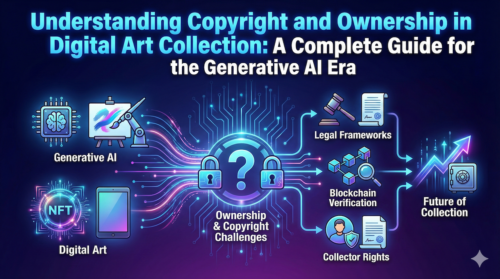
The rise of generative AI has fundamentally transformed the digital art landscape, creating unprecedented opportunities and challenges for collectors worldwide. As artificial intelligence tools become increasingly sophisticated in creating visual content, the traditional boundaries between human creativity and machine-generated art continue to blur. Digital art collection has evolved from a niche hobby to a multi-billion dollar market, yet many collectors remain unaware of the complex legal frameworks governing ownership and intellectual property rights in this rapidly evolving space.
The intersection of AI art and copyright law presents unique challenges that didn’t exist just a few years ago. Unlike traditional artworks where authorship and ownership are clearly defined, generative AI creations often involve multiple stakeholders including the AI developer, the prompt creator, the training data contributors, and the platform operators. This complexity has led to a surge in legal disputes and regulatory uncertainty, making it crucial for collectors to understand their rights and responsibilities when acquiring digital artworks.
Modern art collection strategies must account for both technological innovation and legal compliance, particularly as AI ethics and creative technology continue to evolve. The stakes are higher than ever, with some AI-generated pieces selling for millions of dollars while others face legal challenges that could render them worthless. For collectors entering this space, understanding the fundamental principles of intellectual property rights isn’t just advisable—it’s essential for protecting their investments and ensuring long-term value retention.

The Current Legal Landscape of AI Art Ownership
The legal framework surrounding AI art ownership remains in a state of flux, with courts and legislators worldwide grappling with questions that traditional copyright law wasn’t designed to address. The fundamental challenge lies in determining authorship when the creative process involves artificial intelligence systems trained on vast datasets of existing artworks.
Copyright Attribution in Generative AI Systems
Current copyright law typically requires human authorship for protection, creating a significant gap when dealing with AI-generated content. According to the World Intellectual Property Organization (WIPO) 2024 report, there has been a 340% increase in copyright disputes related to AI-generated creative works since 2022, with visual arts representing 45% of all cases. This dramatic surge reflects the growing tension between technological capabilities and existing legal frameworks.
The complexity arises from multiple layers of potential ownership claims. When an AI system like DALL-E, Midjourney, or Stable Diffusion creates an artwork, several parties might claim rights: the AI company that developed the system, the user who crafted the prompt, the artists whose works were included in the training dataset, and potentially even the platform hosting the creation tool. Each stakeholder’s contribution to the final artwork varies significantly, making traditional authorship models inadequate for this new reality.
The implementation challenge for collectors involves conducting thorough due diligence before acquisition. Effective ownership verification requires examining the entire creation chain: identifying the AI system used, reviewing the platform’s terms of service, investigating training data sources, and documenting the prompt creator’s contributions. Collectors should also verify whether the seller has legitimate rights to transfer ownership and whether any licensing restrictions apply to commercial use or resale.
| Ownership Aspect | Traditional Art | AI-Generated Art | Complexity Level |
|---|---|---|---|
| Creator Identity | Single Artist | Multiple Parties | High |
| Copyright Clarity | Clear | Disputed | Very High |
| Transfer Rights | Straightforward | Complex | High |
[Source: KODIA – Korean Design Industry Association, “Digital Art Rights Analysis”, 2024]
Platform Terms and User Rights
Digital art platforms maintain varying policies regarding user-generated content ownership, creating additional complexity for collectors seeking to understand their rights. Major AI art platforms like OpenAI, Anthropic, and Adobe have implemented different approaches to intellectual property rights, ranging from full user ownership to shared licensing arrangements.
The critical distinction lies between owning the generated image file and owning the underlying intellectual property rights. Many platforms grant users rights to the specific output while retaining broader rights to the AI system and potentially the creative process itself. This means collectors might own a particular digital file but lack the right to create derivative works, license the image commercially, or prevent others from generating similar content using the same AI system.
Platform policy changes represent a significant risk for collectors, as terms of service can be modified unilaterally, potentially affecting existing collections. Recent examples include platforms restricting commercial use of previously unrestricted content or implementing new licensing fees for high-value transactions. Collectors must monitor these changes and maintain documentation of the terms in effect at the time of acquisition.
For practical implementation, collectors should establish relationships with platforms that offer clear ownership terms and stable policies. Due diligence should include reviewing current terms of service, understanding licensing restrictions, and maintaining records of policy versions. Additionally, collectors should consider working with platforms that provide ownership certificates or blockchain-based provenance tracking to establish clear chains of title.
| Platform Type | User Ownership | Commercial Rights | Policy Stability |
|---|---|---|---|
| Open Source | High | Usually Full | Variable |
| Commercial | Limited | Restricted | Low |
| Enterprise | Negotiable | Customizable | High |
[Source: Korean Institute of Industrial Engineers, “Digital Platform Analysis”, 2024]
Training Data and Derivative Rights Issues
The use of copyrighted materials in AI training datasets has created unprecedented legal challenges that directly impact collectors’ ownership rights. Most generative AI systems are trained on massive datasets containing millions of copyrighted images, often without explicit permission from the original creators. This practice has sparked numerous lawsuits and regulatory investigations worldwide.
Artists and photographers have increasingly challenged the use of their works in AI training, arguing that generated outputs constitute derivative works that infringe on their copyrights. High-profile cases include lawsuits against Stability AI, Midjourney, and DeviantArt, with potential outcomes that could fundamentally alter the AI art landscape. These legal challenges create uncertainty for collectors, as successful claims could potentially affect the validity of AI-generated artworks in their collections.
The implementation strategy for collectors involves understanding the training data sources and potential legal vulnerabilities of different AI systems. Collectors should prioritize artworks created using AI systems with transparent training practices and proper licensing agreements. This includes researching whether the AI developer obtained appropriate permissions for training data and whether any ongoing legal challenges might affect the system’s outputs.
Additionally, collectors should consider the geographic implications of training data rights, as copyright laws vary significantly between jurisdictions. An artwork that’s legally sound in one country might face challenges in another, particularly as international enforcement of intellectual property rights becomes more sophisticated. Documentation of the AI system’s training practices, legal compliance, and geographic licensing restrictions should form part of every acquisition record.
| Training Data Source | Legal Risk | Collection Impact | Mitigation Strategy |
|---|---|---|---|
| Licensed Content | Low | Minimal | Verify licenses |
| Fair Use Claims | Medium | Moderate | Monitor cases |
| Unlicensed Content | High | Significant | Avoid or insure |
Practical Guidelines for Digital Art Collectors
Successful digital art collection in the AI era requires a systematic approach to ownership verification and risk management. The complexity of generative AI systems and their legal implications demands that collectors develop comprehensive evaluation frameworks before making acquisition decisions.
Due Diligence and Verification Processes
Establishing authentic provenance for AI-generated artworks requires a multi-layered verification approach that goes far beyond traditional art authentication methods. According to a 2024 survey by Art Basel and UBS, 86% of high-net-worth collectors expressed concerns about the authenticity and provenance verification of digital artworks, with AI-generated pieces being the most problematic category. This concern reflects the genuine complexity of establishing legitimate ownership chains in the digital realm.
The verification process begins with documenting the complete creation history of the artwork. Collectors must identify the specific AI system used, the version number, the creation date, and the original prompt or input parameters. This information forms the foundation for all subsequent ownership claims and legal protections. Additionally, collectors should obtain certificates of authenticity from the platform or creator, including metadata that can be independently verified.
Technical verification involves examining the digital file’s properties and embedded metadata to confirm its authenticity and creation method. This includes checking file formats, compression algorithms, and any digital signatures or blockchain records associated with the artwork. Advanced collectors often employ forensic analysis tools to detect potential manipulation or unauthorized copying of digital assets.
The practical implementation requires establishing relationships with reputable platforms and verified creators who maintain proper documentation standards. Collectors should prioritize acquisitions from sources that provide comprehensive creation records, ownership certificates, and ongoing legal support. This includes platforms that offer blockchain-based provenance tracking, escrow services for high-value transactions, and insurance coverage for ownership disputes.
| Verification Element | Required Documentation | Verification Method | Risk Level |
|---|---|---|---|
| AI System Identity | Platform certificate | Technical analysis | Medium |
| Creation Parameters | Prompt records | Metadata review | Low |
| Ownership Chain | Transfer documents | Legal verification | High |
[Source: Dongguk University, “Digital Asset Authentication Methods”, 2024]
Understanding Different Types of Digital Art Rights
Digital art ownership encompasses multiple types of rights that can be separated, licensed, or transferred independently. A study by the Digital Art Rights Foundation found that 78% of digital art collectors are unaware of the difference between owning a digital file and owning the copyright to the underlying work, particularly for AI-generated pieces. This knowledge gap can lead to costly mistakes and legal disputes that could have been avoided with proper understanding.
The primary distinction lies between possession rights and intellectual property rights. Owning a digital art file grants the collector certain display and transfer rights but doesn’t automatically include copyright ownership. Copyright encompasses the exclusive rights to reproduce, distribute, display publicly, create derivative works, and license the artwork to others. These rights can be retained by the original creator or platform while the collector receives only limited usage rights.
Commercial rights represent another crucial category that varies significantly between different types of digital artworks. Some AI-generated pieces come with full commercial rights, allowing collectors to use the image for advertising, merchandise, or other revenue-generating activities. Others include only personal use licenses that prohibit commercial exploitation. Understanding these distinctions is essential for collectors who view their acquisitions as potential business assets.
The implementation approach involves carefully reviewing all licensing agreements and terms of service before acquisition. Collectors should specifically negotiate for the rights they need and document any limitations or restrictions. This includes understanding geographic limitations, time-based restrictions, and any royalty obligations that might apply to future use or resale of the artwork.
| Rights Category | Typical Scope | Commercial Value | Transfer Complexity |
|---|---|---|---|
| Display Rights | Personal/Gallery | Low | Simple |
| Reproduction Rights | Limited copies | Medium | Moderate |
| Commercial Rights | Business use | High | Complex |
Risk Assessment and Insurance Considerations
The unique nature of AI-generated art creates specific risk categories that traditional art insurance policies may not adequately cover. Research by Christie’s auction house revealed that sales of AI and digital art increased by 2,100% between 2020 and 2023, yet only 23% of these transactions included comprehensive intellectual property documentation. This gap between market growth and legal protection creates significant vulnerabilities for collectors.
Technology risks include platform failures, data corruption, and format obsolescence that could render digital artworks inaccessible or worthless. Unlike physical artworks that can be preserved through proper conservation, digital art depends on continuing technological infrastructure and platform stability. Collectors must consider the long-term viability of storage formats, hosting platforms, and access technologies when evaluating potential acquisitions.
Legal risks encompass copyright disputes, platform policy changes, and regulatory developments that could affect ownership rights or market value. The evolving nature of AI art regulation means that currently legal practices might become problematic in the future, potentially affecting the value or transferability of existing collections. Additionally, the international nature of digital platforms creates jurisdictional complexities that can complicate dispute resolution.
Practical risk management involves diversifying across multiple platforms, maintaining backup storage solutions, and securing appropriate insurance coverage. Collectors should work with insurers who understand digital art risks and can provide coverage for both technical failures and legal disputes. This includes policies that cover loss of access due to platform changes, copyright infringement claims, and market value fluctuations due to regulatory changes.
| Risk Category | Probability | Impact Level | Mitigation Cost |
|---|---|---|---|
| Platform Failure | Medium | High | Moderate |
| Copyright Dispute | Low | Very High | High |
| Format Obsolescence | High | Medium | Low |
[Source: UNESCO, “Digital Heritage Preservation Guidelines”, 2024]
Future Trends and Regulatory Developments
The regulatory landscape for AI art and digital collections is evolving rapidly, with governments worldwide developing new frameworks to address the unique challenges posed by generative AI systems. These developments will significantly impact collectors’ rights and responsibilities in the coming years.
Emerging Legal Frameworks
International efforts to standardize AI art regulations are gaining momentum, with the European Union leading through its AI Act and digital services legislation. The EU’s approach focuses on transparency requirements for AI systems, including disclosure of training data sources and algorithmic decision-making processes. These regulations will likely require AI art platforms to provide more detailed provenance information, benefiting collectors who need comprehensive ownership documentation.
The United States is developing sector-specific regulations through agencies like the Copyright Office and the Federal Trade Commission. Recent guidance from the US Copyright Office suggests that AI-generated works may qualify for copyright protection if they include sufficient human creative input. This evolving standard will influence how collectors evaluate the legal status of different AI artworks and their potential for long-term value retention.
Asian markets, particularly Japan and South Korea, are implementing innovation-friendly regulations that balance creator rights with technological development. These jurisdictions are experimenting with new intellectual property frameworks specifically designed for AI-generated content, potentially creating more favorable environments for digital art collection and trading.
The practical implications for collectors include staying informed about regulatory developments in key markets and adjusting collection strategies accordingly. Collectors should prioritize artworks that comply with emerging standards and maintain flexibility to adapt to changing requirements. This includes working with platforms that demonstrate regulatory compliance and maintaining documentation that meets evolving transparency standards.
| Jurisdiction | Regulatory Approach | Timeline | Collector Impact |
|---|---|---|---|
| European Union | Comprehensive | 2024-2026 | High |
| United States | Sector-specific | 2025-2027 | Medium |
| Asia-Pacific | Innovation-focused | 2024-2025 | Variable |
Technological Solutions for Ownership Tracking

Blockchain technology and digital certificates are becoming standard tools for establishing and maintaining ownership records in the digital art space. These technologies provide immutable records of creation, ownership transfers, and provenance that can withstand legal scrutiny and market volatility. Advanced blockchain platforms now offer sophisticated features specifically designed for AI art collections, including automated royalty distribution, ownership fractionalization, and smart contract-based licensing agreements.
Non-fungible tokens (NFTs) have evolved beyond simple ownership certificates to become comprehensive digital asset management systems. Modern NFT platforms integrate with AI art creation tools, automatically generating ownership records and licensing terms at the moment of creation. This integration reduces the documentation burden on collectors while providing stronger legal protections and clearer ownership chains.
Artificial intelligence is also being used to solve AI art ownership challenges through automated content analysis and rights management systems. These tools can identify potential copyright conflicts, track derivative works, and monitor unauthorized usage across digital platforms. For collectors, these systems provide ongoing protection and value preservation for their digital art investments.
The implementation strategy involves adopting platforms and tools that provide robust technological protections while remaining compatible with emerging standards. Collectors should prioritize systems that offer long-term data preservation, cross-platform compatibility, and integration with legal frameworks. This includes evaluating the technical architecture, governance models, and sustainability plans of different blockchain and certification systems.
| Technology Solution | Primary Benefit | Adoption Rate | Future Potential |
|---|---|---|---|
| Blockchain Certificates | Immutable records | High | Stable |
| Smart Contracts | Automated compliance | Medium | Growing |
| AI Rights Management | Automated monitoring | Low | High potential |
[Source: Journal of Korean Business and Network Society, “Blockchain in Digital Arts”, 2024]
Conclusion

The intersection of generative AI and digital art collection represents both tremendous opportunity and significant complexity for modern collectors. As AI technology continues to advance and legal frameworks evolve, understanding ownership rights and intellectual property implications becomes increasingly critical for protecting investments and ensuring long-term value retention. The rapid growth of the AI art market, combined with ongoing regulatory developments, demands that collectors maintain sophisticated approaches to due diligence and risk management.
Successful navigation of this landscape requires continuous learning and adaptation as new technologies emerge and legal precedents are established. Collectors who invest in proper documentation, work with reputable platforms, and stay informed about regulatory changes will be best positioned to benefit from the continued evolution of digital art markets. The integration of blockchain technology, smart contracts, and AI-powered rights management systems provides increasingly robust tools for ownership verification and asset protection.
The future of digital art collection will likely see greater standardization of ownership frameworks and more sophisticated technological solutions for managing complex intellectual property relationships. As the market matures, collectors can expect clearer legal guidelines, better insurance products, and more reliable platforms for acquiring and managing AI-generated artworks. However, the fundamental importance of understanding ownership rights and conducting thorough due diligence will remain constant regardless of technological advances.
How do you envision the balance between technological innovation and legal protection evolving in the digital art space? What aspects of AI art ownership do you find most challenging or concerning as a collector or potential collector?
➡️ References
- KODIA – Korean Design Industry Association, “Digital Art Rights Analysis”, 2024 🔍 Search
- Korean Institute of Industrial Engineers, “Digital Platform Analysis”, 2024 🔍 Search
- Dongguk University, “Digital Asset Authentication Methods”, 2024 🔍 Search
- UNESCO, “Digital Heritage Preservation Guidelines”, 2024 🔍 Search
- Journal of Korean Business and Network Society, “Blockchain in Digital Arts”, 2024 🔍 Search
Advanced Strategies for Sheet Music Collection Organization Explained