
Your Collection Is at Risk : While the sun-drenched landscapes of Greece are globally revered as the cradle of Western civilization, beneath the iconic marble columns and sprawling ancient ruins lies a modern, shadow-filled reality. As a dedicated collector or art professional, you inherently appreciate the profound weight of history held within a single artifact. However, that very history has increasingly become a high-stakes target for sophisticated international syndicates. Recognizing the urgent need to protect its cultural heritage, the Greek government has recently taken a decisive, long-awaited step: the formal establishment of a highly specialized Greece unit dedicated exclusively to dismantling the intricate webs of art crime and art forgery.
This initiative is far more than a localized police operation; it serves as a resounding global signal that the era of impunity for cultural pillagers is rapidly drawing to a close. By seamlessly integrating high-level forensic science with rigorous historical scholarship, Greece is setting a formidable new benchmark for art security—one that every collector, gallery owner, and dealer needs to comprehend to navigate the evolving market safely.
Table of Contents
The Rise of Art Crime in Greece
Why Greece Remains a Primary Target
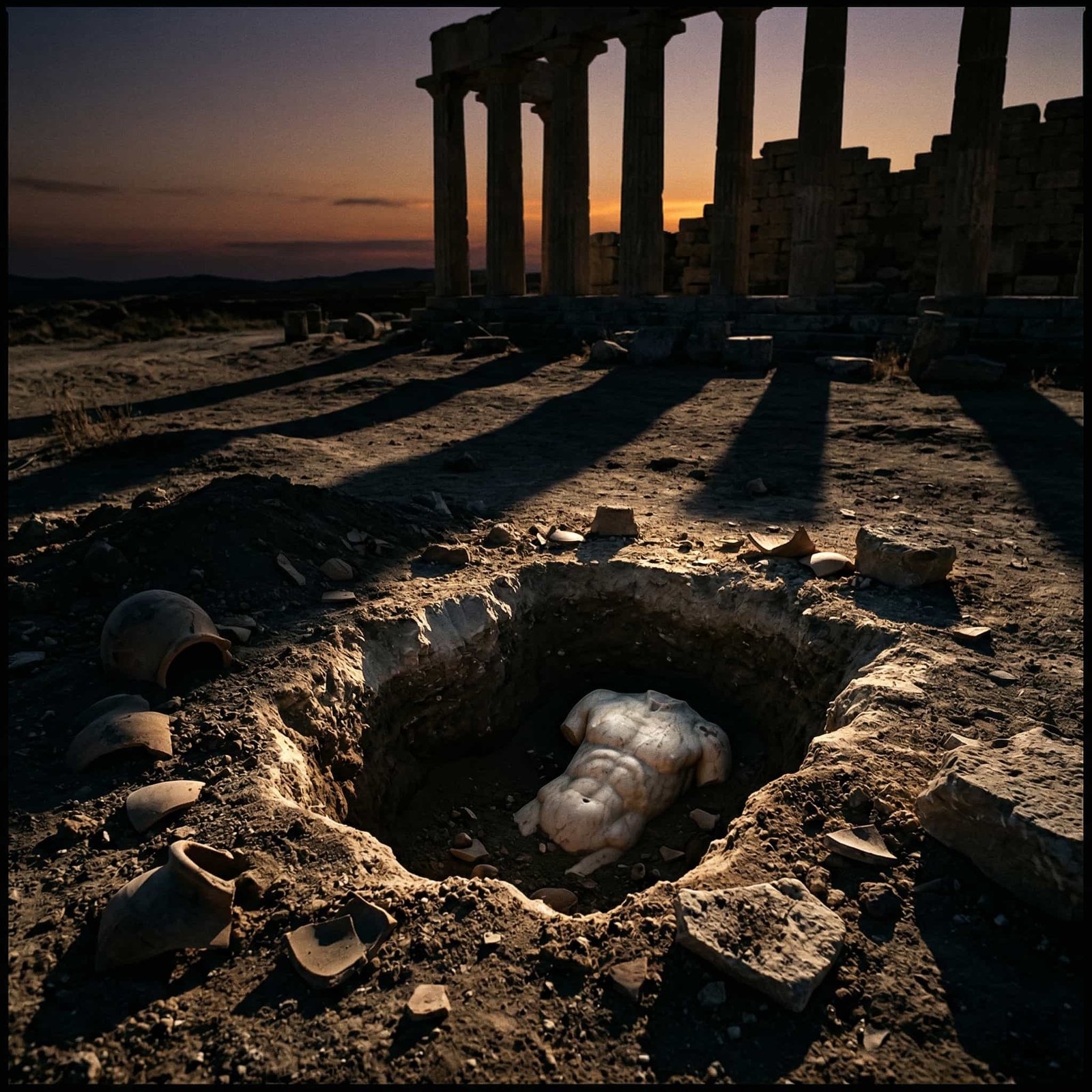
Geographically and historically, Greece functions as an open-air museum, a reality that unfortunately renders it a highly lucrative target for illicit excavation. The sheer density and vastness of archaeological sites across the Hellenic Republic mean that opportunistic traffickers often view the ground itself as an untapped gold mine. Unlike modern or contemporary art, which can typically be tracked through gallery receipts, exhibition catalogs, and digital provenance records, ancient antiquities are frequently “born” into the black market through clandestine, illegal digging.
This destructive process strips the object of its archaeological context, annihilating its broader historical value forever. The art trafficking networks operating within and beyond these borders are exceptionally sophisticated. They frequently move freshly looted items through multiple international jurisdictions and freeports to effectively “launder” their history before the artifacts inevitably surface at high-end auction houses in London, New York, or Geneva.
💡 Expert Insight: The illicit trade in cultural property is estimated to be a staggering $6 billion to $8 billion annual global industry. For discerning collectors, this presents a sobering reality: if an item’s provenance gap is larger than a few decades, you are potentially looking at a crime scene, not a trophy.
Distinguishing Between Looting and Forgery
While looting involves the physical theft or illegal removal of genuine artifacts from the earth, art forgery is a highly cerebral, manipulative crime designed to exploit the trust and enthusiasm of the legitimate market. In Greece, the dangerous intersection of these two illicit activities is particularly alarming. Organized traffickers routinely mix genuine, illegally excavated antiquities with masterfully crafted forgeries. This deliberate contamination confuses investigators, deceives appraisers, and artificially inflates the perceived rarity of a newly “discovered” collection.
The cascading economic and academic impact is devastating. When a forgery successfully infiltrates the market, it doesn’t merely defraud a wealthy buyer financially—it actively corrupts the historical record, leading esteemed scholars and experts down a dangerous path of false discovery. Protecting national identity and academic integrity, therefore, requires a rigorous dual-pronged approach: violently guarding the sacred soil while meticulously vetting the canvas and the clay.
🔍 Deep Dive: The Stratigraphy Dilemma
When an antiquity is illegally ripped from the earth, its stratigraphy—the distinct, chronological layers of soil that allow archaeologists to accurately date and contextualize the piece—is permanently destroyed. Experts estimate that an unethically excavated artifact loses up to 80% of its invaluable historical data, reducing a piece of human heritage to a mere decorative commodity.
Inside the New Art Crime Unit: Structure and Mandate
Interdisciplinary Cooperation and Enforcement
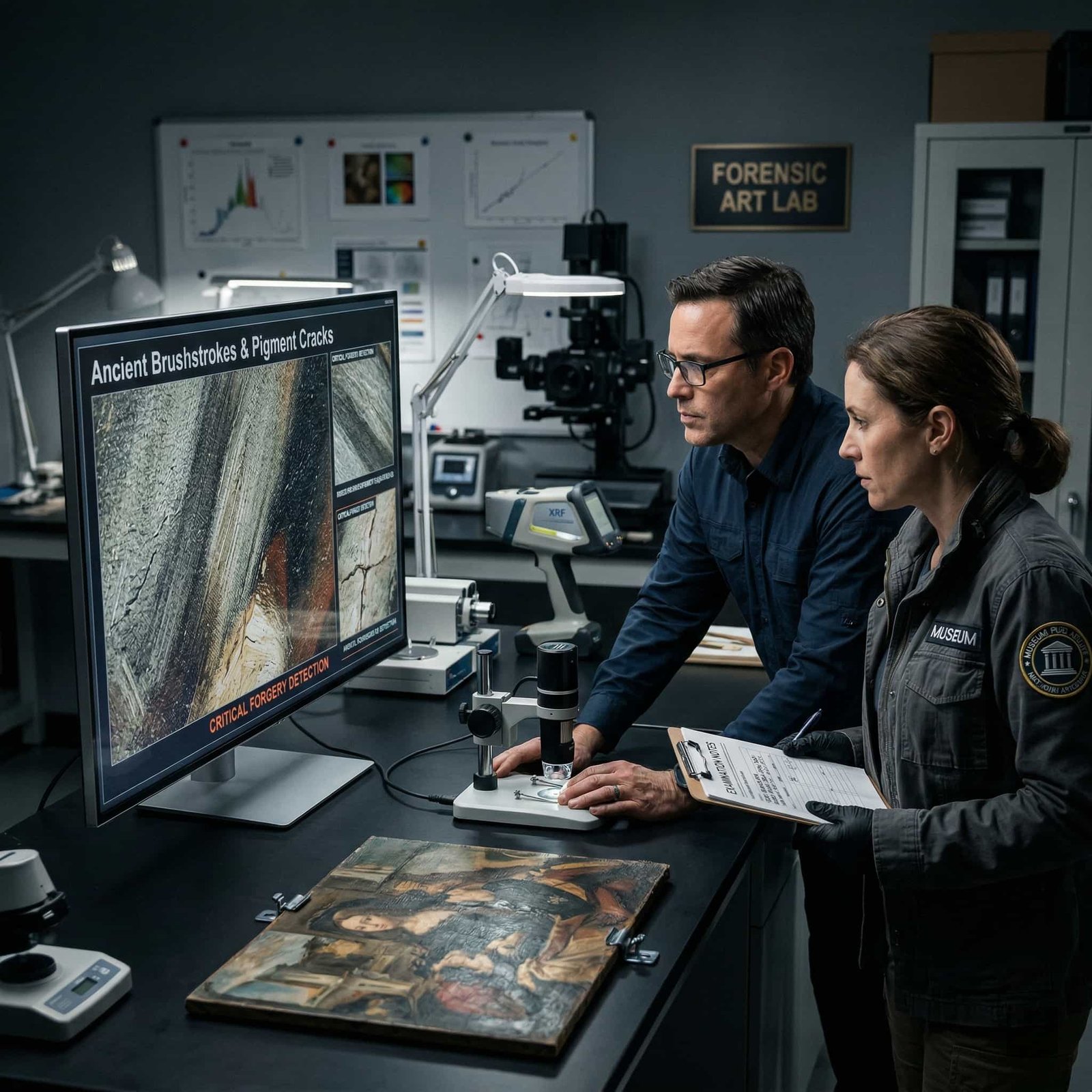
The newly minted unit represents a monumental shift from traditional, reactive policing toward a specialized, intelligence-driven operational model. By actively merging the tactical field experience of seasoned art police with the deep academic reservoirs of historical experts from the Ministry of Culture, the unit can precisely identify subtle “red flags” in auction listings or gallery inventories that a standard patrol officer would undoubtedly miss.
This elite collaboration is absolutely vital because identifying a world-class forgery or a looted treasure requires an intimate, encyclopedic knowledge of ancient tool marks, the chemical compositions of classical pigments, and the highly specific aesthetic nuances of ancient regional schools. These agents aren’t just looking for stolen goods in the back of a truck; they are conducting deep-dive forensic audits of the international art market’s complex supply chain.
Monitoring the Digital Frontier
Modern art crime is no longer restricted to dimly lit basements, back-alley deals, or secretive private viewing rooms. Today, a significant and rapidly growing portion of art trafficking occurs on encrypted online platforms, private messaging apps, and niche social media groups. The new Greece unit has been specifically tasked with policing these shadowy digital marketplaces.
By utilizing advanced data scraping algorithms and sophisticated pattern recognition software, the unit can swiftly spot suspicious sales anomalies. With Interpol’s Stolen Works of Art Database currently listing over 52,000 tracked items, the sheer scale of the challenge is immense. The unit’s modern mandate includes proactive, round-the-clock surveillance of online galleries, ensuring that obscure digital listings are cross-referenced with historical records of known stolen artifacts.
| Crime Category | Description | Primary Countermeasure Strategy |
|---|---|---|
| Illicit Excavation (Looting) | Digging up artifacts from archaeological sites without government authorization. | Enhanced satellite surveillance, drone monitoring, and intensified on-site ground patrols. |
| Art Forgery | Fabricating fake artifacts or artworks and deceitfully selling them as authentic masterpieces. | Integration of advanced scientific analysis (e.g. spectroscopy) and collaborative expert authentication. |
| Cross-Border Smuggling | Moving national cultural heritage assets out of the country without legal permits. | Tightened customs cooperation, border profiling, and real-time Interpol database synchronization. |
Challenges in Modern Art Law and Enforcement

The Provenance Paradox
Tracking provenance—the documented, unbroken chain of ownership of an object—is notoriously difficult in a hyper-globalized era where digital sales allow for rapid, anonymous, and cross-border transactions. Even when a private buyer or an institution acts in complete good faith, they may inadvertently be purchasing an object with a carefully “laundered” history.
The legal complexities surrounding these transactions are staggering. If a centerpiece of a collection is proven to be stolen, who ultimately holds the financial and criminal liability? The prevailing current trend in international art law is aggressively shifting toward far stricter “due diligence” requirements. Collectors are no longer given the benefit of the doubt; they are now fully expected to act as amateur detectives, rigorously verifying that their acquisitions have never been subjected to illicit trafficking.
⚖️ Pro-Tip for Buyers:
- Demand Exhaustive Documentation: Always request thorough provenance records that conclusively date back prior to the pivotal 1970 UNESCO Convention.
- Verify Scientific Testing: Never rely solely on a dealer’s word. Insist on seeing independent forensic reports, such as X-ray fluorescence (XRF) or thermoluminescence dating, before transferring any funds.
Repatriation and International Cooperation
The repatriation of stolen artifacts is historically a long, exceptionally arduous legal process fraught with diplomatic tension. Greece has undeniably been a global leader in this arena, successfully navigating complex international legal frameworks to recover over 20,000 antiquities between the years 2000 and 2023. However, the newly formed unit faces a modern world where international laws are frequently inconsistent, and safe-haven countries still exist.
By actively fostering stronger, legally binding ties with global agencies such as Europol and Homeland Security Investigations (HSI), the unit aims to standardize the reporting of suspicious cultural items. This collaborative friction makes it exponentially harder for traffickers to hide behind jurisdictional gaps and varying statutes of limitations. The ultimate goal is to evolve from a reactive model—where countries must constantly beg for their stolen items back—to a proactive, fortified model where the global art market intrinsically rejects illicit goods.
Conclusion: A Global Impact
The strategic establishment of this specialized enforcement unit in Greece is vastly more than a localized policy update; it is a vital, transformative development for the entire global art community. By aggressively setting a precedent for rigorous, interdisciplinary art security, Greece is directly challenging the luxury art and antiquities market to finally prioritize ethics, legality, and historical preservation over anonymity and profit.
For the dedicated collector, the ambitious curator, or the seasoned dealer, this paradigm shift serves as an uncompromising reminder: the true value of your collection does not reside merely in its auction price, but heavily in its unassailable legitimacy. As global regulations inevitably tighten and law enforcement becomes highly sophisticated, absolute transparency will be the single greatest asset any collector can possess.
Are you actively performing the necessary, exhaustive due diligence on your next high-profile acquisition, or are you willfully ignoring the dark shadows lingering behind the sale? Ultimately, the future of the art market belongs only to those who deeply value the authentic story just as much as the beautiful object itself.
🧩 Greece Creates New Art Crime Unit to Combat Forgery and Trafficking
Advanced Strategies for Sheet Music Collection Organization Explained