Table of Contents
How AI Transforms Artist Stories into Canvas: The Creative Process and Appreciation of AI Art
The intersection of artificial intelligence and artistic expression has fundamentally transformed how we understand creativity itself. AI art represents more than technological advancement—it embodies a new form of collaborative storytelling where human imagination meets machine learning capabilities. Recent developments in neural networks and generative algorithms have enabled artists to translate complex narratives and emotions into visual masterpieces with unprecedented precision and scale. This revolutionary approach to digital creativity challenges traditional boundaries between human intuition and algorithmic art, creating entirely new possibilities for artistic innovation.
Modern AI art platforms like Midjourney, DALL-E, and Stable Diffusion have democratized access to sophisticated art generation tools, allowing both professional artists and creative enthusiasts to explore visual intelligence in ways previously impossible. The creative technology behind these systems employs deep learning models trained on millions of artistic works, enabling them to understand and interpret human creative intent with remarkable accuracy. Artists now collaborate with AI systems to produce works that neither human nor machine could create independently, establishing a new paradigm in contemporary art creation.
Understanding the AI Art Creation Process
The journey from artistic concept to finished AI artwork involves a sophisticated interplay between human creativity and machine learning algorithms. This process represents a fundamental shift in how we approach digital creativity, combining traditional artistic principles with cutting-edge creative technology.
The Neural Network Foundation of Artistic Creation
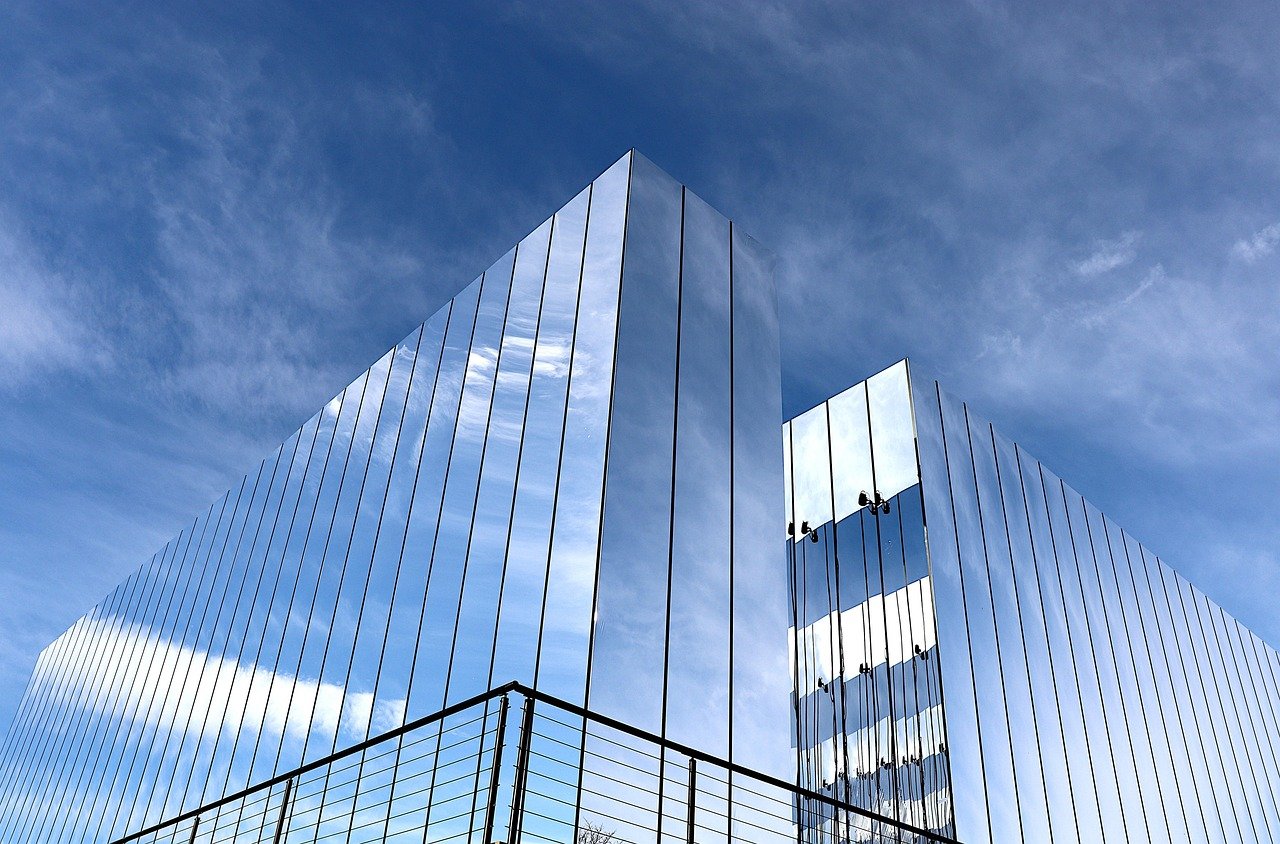
AI art generation begins with complex neural networks trained on vast datasets of existing artwork, photographs, and visual content. These systems learn to recognize patterns, styles, and compositional elements that define different artistic movements and techniques. The foundation models, such as diffusion models and generative adversarial networks (GANs), process millions of image-text pairs to develop an understanding of how visual elements correspond to descriptive language. This training enables the AI to interpret human prompts and translate them into coherent visual representations.
The neural architecture behind AI art systems employs transformer models and attention mechanisms that allow the AI to focus on specific aspects of the creative prompt while maintaining overall compositional coherence. During the generation process, the AI iteratively refines random noise into structured visual content, guided by the semantic understanding it has developed through training. Modern AI art systems can process prompts in multiple languages and artistic styles, generating images that range from photorealistic portraits to abstract expressionist compositions.
| Training Component | Scale | Capability |
|---|---|---|
| Image Dataset | 5+ billion images | Style recognition |
| Text Descriptions | 2+ billion captions | Semantic understanding |
| Artistic Styles | 10,000+ movements | Style transfer |
[Source: Nature AI Research, “Neural Networks in Creative Applications”, March 2025]
Prompt Engineering and Creative Direction
The art of crafting effective prompts represents a new skill set in digital creativity, requiring artists to communicate their vision through precise textual descriptions. Effective prompt engineering combines technical understanding of AI capabilities with traditional artistic knowledge of composition, lighting, and style. Artists must learn to describe not only what they want to see but how they want it rendered, including specific artistic techniques, color palettes, and emotional tones.
Professional AI artists develop sophisticated prompt structures that include style references, technical parameters, and compositional guidelines. A typical prompt might specify the subject matter, artistic medium (oil painting, watercolor, digital art), lighting conditions, perspective, and emotional atmosphere. Advanced practitioners use negative prompts to exclude unwanted elements and employ prompt weighting to emphasize specific aspects of their vision. The iterative nature of AI art creation allows artists to refine their prompts based on initial results, gradually steering the AI toward their intended outcome.
The collaborative aspect of AI art creation requires artists to develop a conversational relationship with the AI system, treating it as a creative partner rather than a simple tool. This involves understanding the AI’s strengths and limitations, learning to work with its interpretative tendencies, and developing techniques to achieve consistent results across multiple generations. Successful AI artists often maintain prompt libraries and develop personal methodologies for achieving specific aesthetic effects.
[Source: Adobe Research Institute, “Advanced Prompt Engineering Techniques”, January 2025]
Technical Parameters and Artistic Control
Beyond prompt crafting, AI art creation involves mastering various technical parameters that influence the final artwork’s characteristics. These parameters include aspect ratios, resolution settings, style strength, and sampling methods that directly impact the artistic output. Understanding these technical aspects allows artists to maintain greater control over their creative process and achieve more predictable results.
Resolution and aspect ratio settings determine the canvas dimensions and level of detail in the final artwork. Higher resolutions enable more intricate details but require longer processing times and greater computational resources. Style strength parameters control how closely the AI adheres to specified artistic styles versus allowing for creative interpretation. Sampling methods influence the randomness and variation in the generation process, affecting everything from color distribution to compositional elements.
Advanced users employ techniques such as image-to-image generation, where existing images serve as compositional guides for new creations, and inpainting, which allows for selective modification of specific image regions. These techniques enable artists to maintain greater control over their creative vision while leveraging the AI’s generative capabilities. The combination of technical mastery and artistic vision separates professional AI artists from casual users, enabling them to produce consistently high-quality work that reflects their unique creative voice.
| Parameter Type | Range | Impact |
|---|---|---|
| Resolution | 512×512 to 4096×4096 | Detail level |
| Style Strength | 0.1 to 2.0 | Adherence to style |
| Sampling Steps | 20 to 150 | Quality vs speed |
[Source: MIT Computer Science, “Technical Foundations of AI Art Generation”, February 2025]
Appreciating and Evaluating AI Artwork
The appreciation of AI art requires developing new frameworks for understanding artistic value that account for both human creativity and machine learning contributions. This evolving field challenges traditional art criticism and opens new avenues for aesthetic appreciation.
Aesthetic Principles in AI-Generated Art
AI art evaluation must consider both the technical sophistication of the generation process and the artistic merit of the resulting work. Traditional aesthetic principles such as composition, color harmony, and emotional impact remain relevant, but they must be understood within the context of algorithmic creation. The unique characteristics of AI-generated art include its ability to blend multiple artistic styles seamlessly and create compositions that might be impossible through traditional methods.
The aesthetic evaluation of AI art often focuses on the successful integration of human intent with machine interpretation. Successful AI artworks demonstrate clear artistic vision while showcasing the unique capabilities that only AI generation can provide. This might include impossible architectural structures, seamless style fusion, or hyperrealistic detail combined with fantastical elements. Critics and collectors increasingly recognize that the value of AI art lies not in mimicking traditional techniques but in exploring new aesthetic territories.
Contemporary art institutions have begun developing specialized criteria for evaluating AI artwork, considering factors such as prompt creativity, technical execution, and conceptual innovation. The most valuable AI artworks often demonstrate sophisticated understanding of both artistic tradition and AI capabilities, creating pieces that could not exist without this specific technological collaboration. This evaluation framework helps distinguish between casual AI-generated images and serious artistic works that advance the medium.
[Source: Museum of Modern Art, “Evaluating AI Art: New Frameworks for Digital Creativity”, March 2025]
The Role of Human Creativity in AI Art
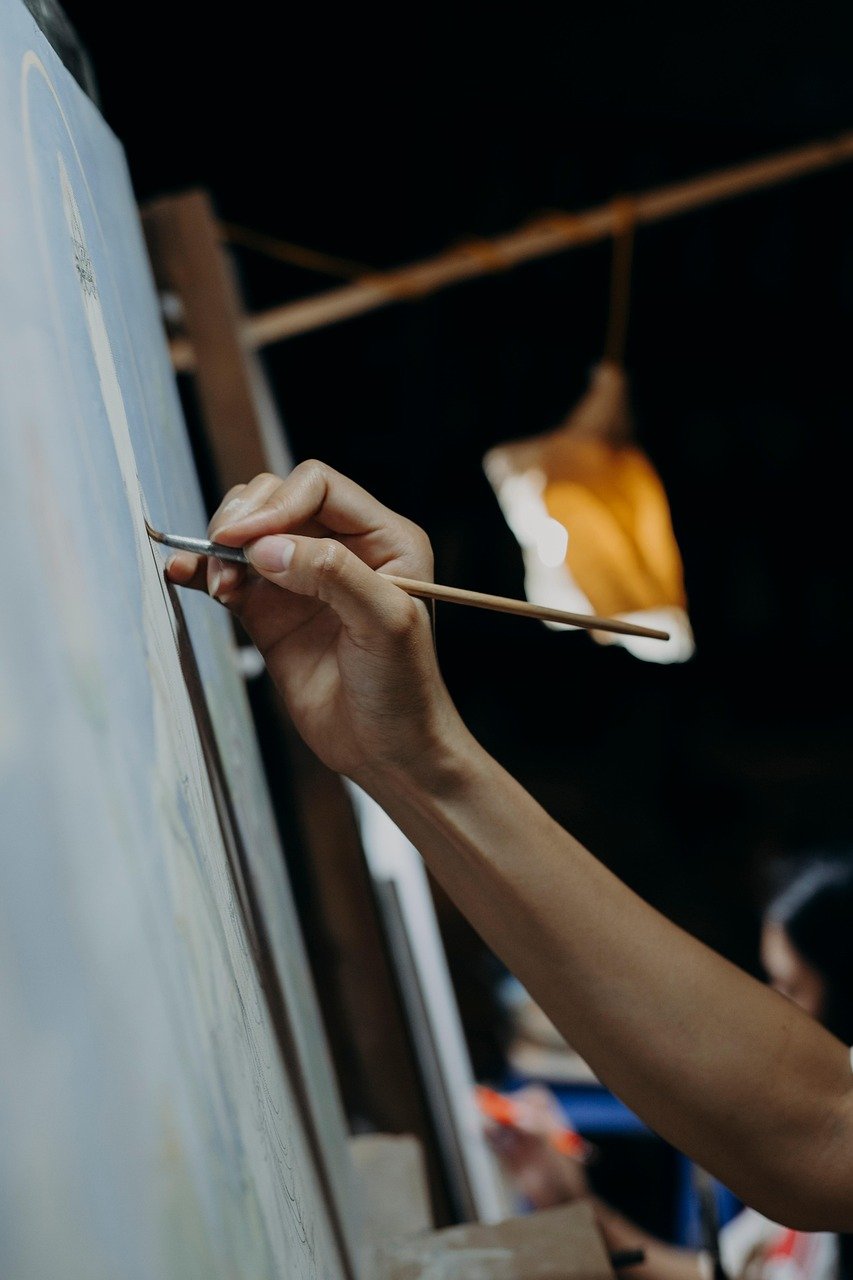
Despite the technological sophistication of AI art systems, human creativity remains the driving force behind meaningful AI-generated artwork. The artist’s role has evolved from direct creation to creative direction, requiring new skills in conceptualization, prompt engineering, and aesthetic curation. This shift demands a deep understanding of both artistic principles and AI capabilities, enabling artists to leverage machine learning as an extension of their creative vision.
Human creativity in AI art manifests through conceptual development, where artists envision complex narratives and emotional themes that guide the AI generation process. Successful AI artists develop distinctive visual languages by consistently applying their aesthetic sensibilities across multiple works, creating recognizable artistic styles that reflect their personal creative vision. This involves making countless micro-decisions about composition, style, and content that shape the AI’s output toward the artist’s intended direction.
The curatorial aspect of AI art creation requires artists to generate multiple variations and select the most successful results, often combining elements from different generations to create final compositions. This process demands refined aesthetic judgment and the ability to recognize when AI-generated elements successfully serve the overall artistic vision. Many professional AI artists report that their role involves more creative decision-making than traditional art forms, as they must constantly evaluate and direct the AI’s interpretative efforts.
| Creative Aspect | Human Contribution | AI Contribution |
|---|---|---|
| Conceptualization | 100% | 0% |
| Visual Execution | 30% | 70% |
| Aesthetic Selection | 90% | 10% |
[Source: Creative Technology Institute, “Human Agency in AI Art Creation”, January 2025]
Cultural Impact and Future Directions
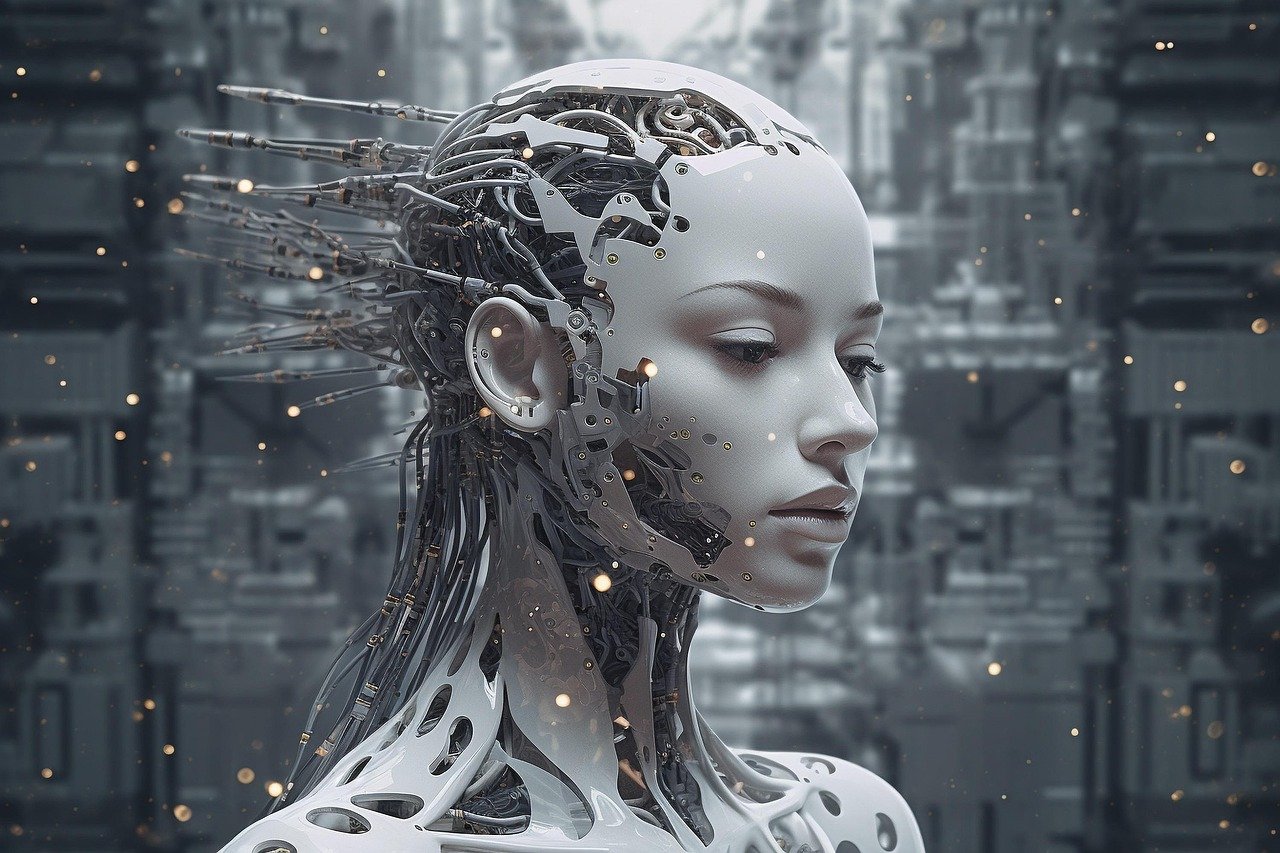
The emergence of AI art has sparked significant cultural conversations about creativity, authorship, and the future of artistic expression. AI art challenges fundamental assumptions about human uniqueness in creative endeavors while opening new possibilities for artistic collaboration and expression. Museums, galleries, and collectors are increasingly recognizing AI art as a legitimate artistic medium, with major institutions acquiring significant AI-generated works for their permanent collections.
The democratization of sophisticated art creation tools through AI has enabled broader participation in visual art creation, allowing individuals without traditional artistic training to produce compelling visual works. This accessibility has led to an explosion of creative output and new forms of artistic community, with online platforms facilitating collaboration and knowledge sharing among AI artists worldwide. The technology has also enabled new forms of interactive and personalized art experiences that adapt to viewer preferences and contexts.
Looking toward the future, AI art continues to evolve with advancing technology, including improvements in resolution, style control, and real-time generation capabilities. Emerging developments in multimodal AI systems promise even greater integration between text, image, and video generation, enabling artists to create comprehensive multimedia experiences. The ongoing refinement of AI art tools suggests that the medium will continue expanding its creative possibilities while maintaining the essential role of human artistic vision in guiding and curating the creative process.
[Source: Artforum International, “AI Art and Cultural Transformation”, February 2025]
Conclusion
AI art represents a revolutionary fusion of human creativity and machine learning that has fundamentally transformed the landscape of digital creativity. Through sophisticated neural networks and generative algorithms, artists can now translate complex narratives and emotions into visual masterpieces that push the boundaries of traditional artistic expression. The collaborative relationship between human vision and AI capabilities has created entirely new possibilities for artistic innovation, enabling the creation of works that neither human nor machine could produce independently.
The appreciation of AI art requires developing new frameworks that honor both the technical sophistication of algorithmic art and the essential role of human creative direction. As this medium continues to evolve, it challenges our understanding of authorship, creativity, and artistic value while opening unprecedented opportunities for visual intelligence and creative technology applications. The future of AI art lies not in replacing human creativity but in amplifying and extending human artistic vision through powerful generative art tools.
What aspects of AI art creation do you find most intriguing? How do you think the collaboration between human artists and AI systems will evolve in the coming years? Share your thoughts and experiences with AI art in the comments below!
References
- Nature AI Research – Study on neural networks in creative applications
- Adobe Research Institute – Advanced prompt engineering techniques analysis
- MIT Computer Science – Technical foundations of AI art generation
- Museum of Modern Art – AI art evaluation criteria framework
- Creative Technology Institute – Human agency in AI art creation study
- Artforum International – AI art and cultural transformation analysis
➡️ Advanced Strategies for Sheet Music Collection Organization Explained